A new global modeling study by Dr. Derek Yach and Dr. Delon Human projects a future where more than 100 million lives could be saved by 2060, but only if the world embraces tobacco harm reduction (THR) as a central pillar of public health.
The Lives Saved Report, released in October 2025 by Global Health Consults, outlines a simple truth: if even 20% of the world’s 1.1 billion smokers switch to low-risk nicotine alternatives in the next 15 years, smoking-related deaths could fall by half. The report calls this one of the most powerful and affordable health interventions available, second only to vaccines in potential lives saved.
A Stalled Battle Against Combustion
Despite global tobacco control progress, smoking still kills over 8 million people each year, a toll expected to rise to nearly 10 million by 2030 if current policies continue. The report underscores that the WHO Framework Convention on Tobacco Control (FCTC), while instrumental in reducing smoking, has not adapted to modern nicotine science or innovation.
Smoking prevalence has fallen globally, from about 33% of adults in 2000 to 20% in 2022, but the decline is uneven and slowing. In several low- and middle-income countries, including Indonesia and Egypt, tobacco use is still rising. Without innovation, most smoking-related deaths between now and 2060 will occur among adults already addicted to cigarettes today.
21st-Century Tools: Harm Reduction in Action
The report’s modeling shows that combining traditional tobacco control with new harm-reduction tools, including nicotine pouches, e-cigarettes, and heated tobacco, could double the number of lives saved compared to current measures alone.
- E-cigarettes: Proven in multiple Cochrane reviews to be twice as effective as nicotine replacement therapy for quitting.
- Heated tobacco products (HTPs): Credited with a 50% drop in cigarette sales in Japan within a decade.
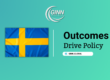
- Nicotine pouches and snus: Central to Sweden’s achievement of a “smoke-free” status, with male smoking rates below 5%.
If integrated into global tobacco strategies, these products could avert over 14 million premature deaths across 23 major countries and more than 100 million worldwide by 2060.
Beyond Prevention: Saving Lives Among Current Smokers
The report highlights a critical distinction: youth prevention alone will not significantly impact mortality until after 2060. The real gains come from helping current adult smokers switch to safer alternatives now. As Dr. Yach notes, “The WHO’s FCTC has not kept pace with scientific and technological advancements… It’s time to recognise the potential of safer alternatives and prioritise harm reduction.”
A Blueprint for Policy Change
The authors urge policymakers to modernize tobacco control with pragmatic, science-based regulation:
- Integrate harm reduction into the FCTC – Recognize smoke-free products as complementary tools, not threats.
- Adopt risk-proportionate regulation – Tax and label products according to their actual risk.
- Ensure youth protection and product safety – Through strict age verification, standardized labeling, and responsible marketing.
- Engage health professionals – Train clinicians to guide smokers toward lower-risk alternatives when cessation fails.
- Strengthen early detection – Expand lung cancer screening to improve survival for high-risk populations.
The report’s RESET framework, Risk-based, Ensure intended use, Safety standards, Environmental accountability, and Traceability/taxation, offers governments a clear roadmap for balanced regulation.
A Global Call to Action
The findings present both urgency and opportunity. Harm reduction is not about replacing tobacco control,it’s about enhancing it. The authors argue that by 2060, smoking-related deaths could drop from 10 million per year to half that, if innovation is embraced rather than restricted.
As Dr. Human concludes, “Saving lives requires bold action. Let us unite in our commitment to a smoke-free future—one where harm reduction leads the way.”
Citation:
Yach, D., & Human, D. (2025). Lives Saved Report: Saving 100 Million Lives by 2060. Global Health Consults. https://tobaccoharmreduction.net/global-lives-saved/