For decades, smoking has remained one of the leading causes of preventable death worldwide. Despite countless awareness campaigns and cessation programs, millions of adults continue to smoke, often because nicotine addiction makes quitting extremely difficult. However, not all nicotine use carries the same level of risk, and understanding this distinction is essential to reducing harm.
The Risk Continuum
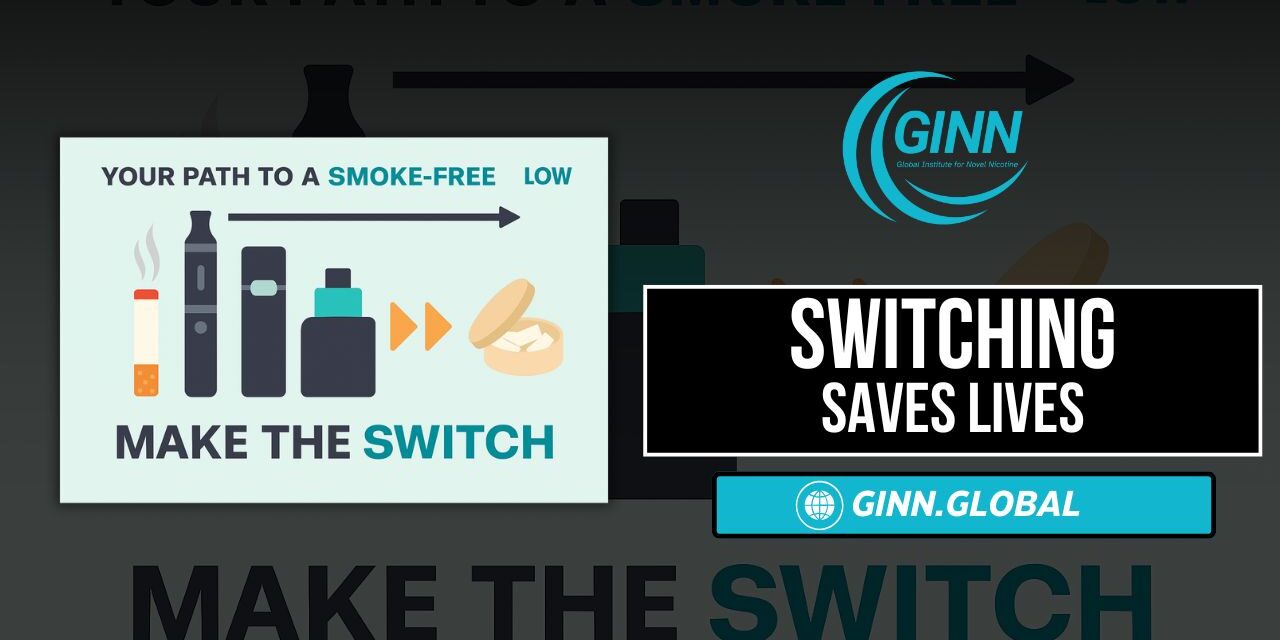
The graphic above illustrates the continuum of risk among nicotine products. Combustible cigarettes sit at the highest end of the harm scale because burning tobacco releases thousands of toxic chemicals, including more than 70 known carcinogens. These are the substances responsible for most smoking-related diseases, not nicotine itself.
By contrast, smoke-free alternatives such as vapes, heated tobacco products, and nicotine pouches eliminate combustion. This significantly reduces exposure to harmful toxins, making them far less dangerous than traditional cigarettes. Among these, nicotine pouches, which contain no tobacco leaf, represent one of the lowest-risk options currently available.
🎥 Watch: Understanding the Risk Continuum of Nicotine and Tobacco Products
Gain a clearer view of how nicotine products compare across the harm spectrum in this short explainer video from GINN:
👉 https://www.youtube.com/watch?v=eTtEMOh_Hjg
How Nicotine Pouches Work
Nicotine pouches deliver nicotine through the mouth’s lining rather than through inhalation. They are discreet, smokeless, and produce no odor, offering adult smokers a way to satisfy nicotine cravings without smoke or tar. These products have been particularly effective in countries like Sweden, where their integration into public health strategy has helped achieve record-low smoking rates.
Why Switching Matters
Completely quitting nicotine is the ideal goal, but for smokers unable to do so, switching to a non-combustible alternative is a critical step toward harm reduction. Every move away from combustion reduces health risks for the user and for those exposed to secondhand smoke. The evidence is clear: when adults switch completely to pouches or other regulated smoke-free products, their exposure to harmful chemicals drops dramatically.
A Smarter Path Forward
At GINN, we advocate for evidence-based, risk-proportionate regulation that encourages adult smokers to switch to lower-risk alternatives while keeping such products out of youth hands. Nicotine is addictive, but combustion is deadly, and policies should reflect that difference.
Helping smokers transition from cigarettes to nicotine pouches isn’t just a matter of choice; it’s a matter of saving lives. The path to a smoke-free future begins with science, transparency, and access to safer options.
We’d Like to Hear From You
GINN welcomes your insights and experiences on switching to non-combustible nicotine products. What motivated you to make the change, and what challenges did you face along the way? Your feedback helps shape more effective educational resources and supports others who are beginning their journey.
To share your experience, comment below or reach out to us at info@ginn.global.